

Focus 1
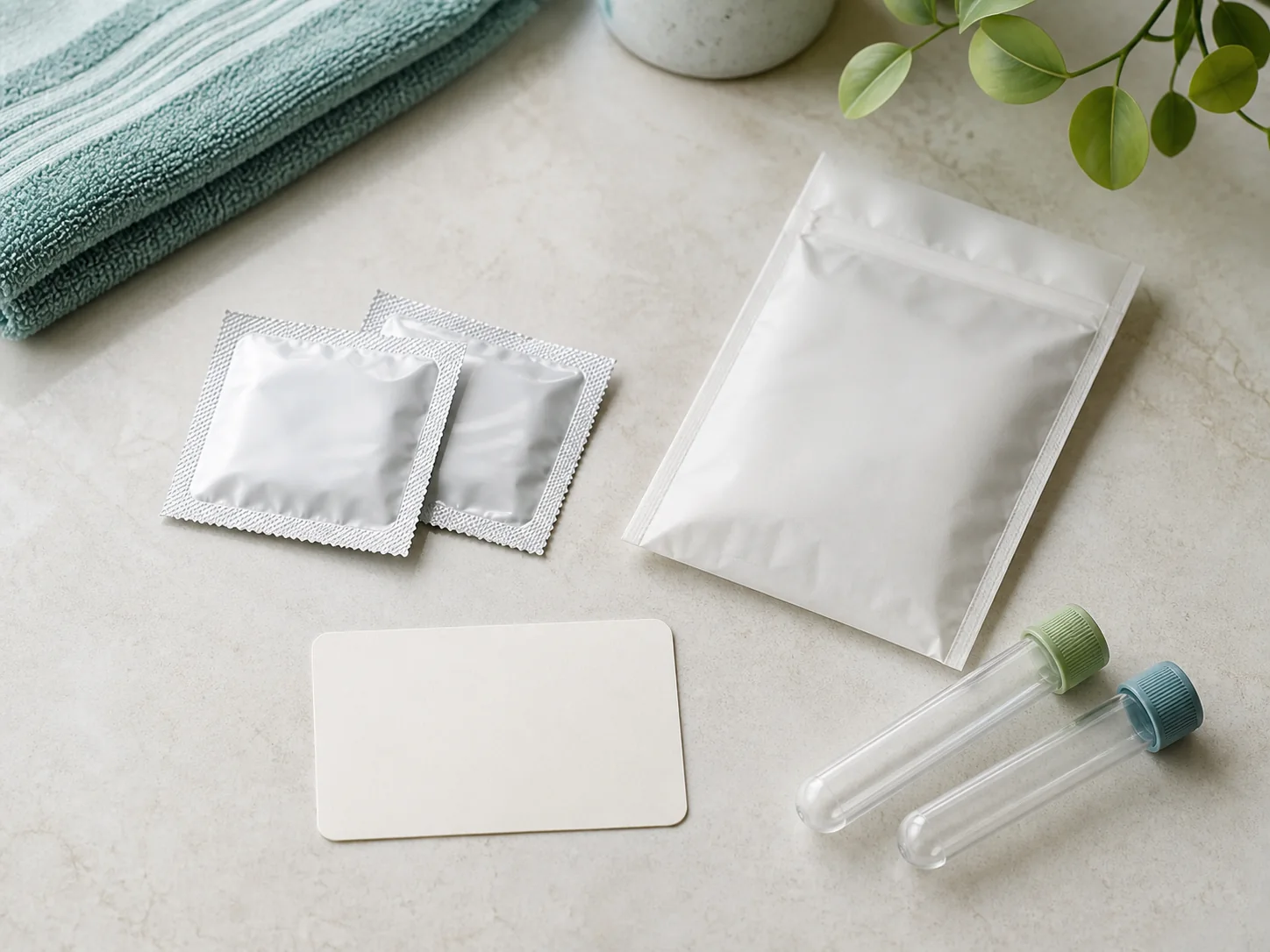
Which methods help protect sexual health?
Barrier protection
Correct and consistent condom use reduces the transmission of many STDs and helps prevent unplanned pregnancy.
Regular check-ups
Discuss your sexual history, symptoms, partners and practices so a clinician can recommend suitable tests.
Vaccination
Ask which vaccines are appropriate for you, including HPV and hepatitis vaccination where indicated.
Pregnancy prevention
Use a suitable contraceptive plan when pregnancy is possible; barriers and contraception can be used together.
Source: CDC — Condom use overviewCDC — STD risk and oral sexNEPHU — What is Safe Sex? (video)
Focus 2
Why can unprotected sex still carry risk?
Unprotected sex should not be assumed safe because a partner looks well, has no symptoms or because sex happens during menstruation. Infection and pregnancy risk can be present without an obvious warning.
No visible symptoms
Many STDs can be present and transmitted without sores, discharge, pain or other noticeable symptoms.
Visual checks are unreliable
Looking at a partner cannot confirm their status; testing and honest communication are more useful.
Cycles vary
Irregular or changing cycle lengths make fertile windows difficult to predict precisely.
Sperm can survive
Sperm may remain viable for up to five days, so sex during a period can still lead to pregnancy if ovulation follows soon after.
Source: ACOG — Fertility awareness and pregnancy timingCDC — Getting tested for STDsNEPHU — What is Safe Sex? (video)