Practical questions
Hepatitis B: keep razors and blood-contact items personal
Hepatitis B prevention is not limited to sexual contact. Blood-contaminated personal items such as razors or toothbrushes can also be a concern, so keep them personal. This does not mean avoiding ordinary affection, sharing meals or treating someone with hepatitis B as a danger in everyday social contact.
General information for adults. Not a substitute for medical assessment.
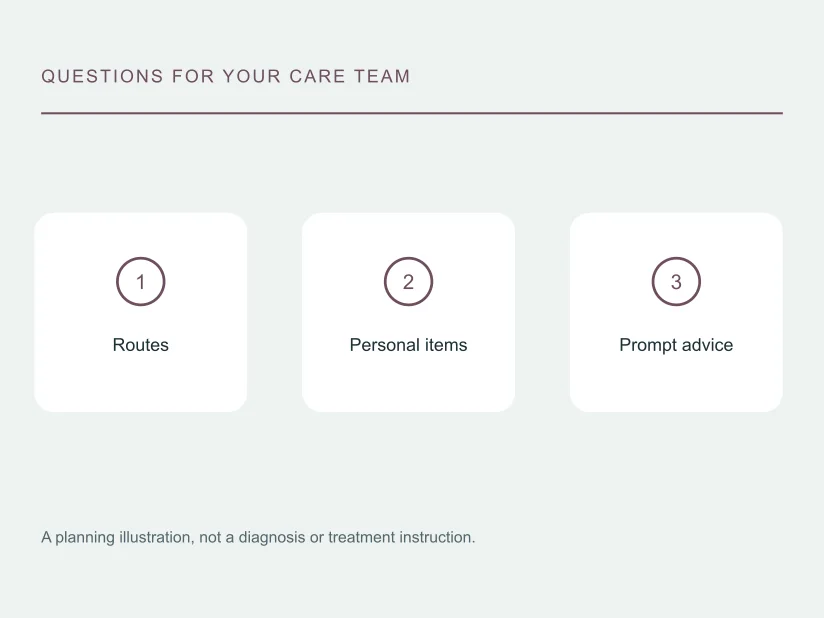
Distinguish blood contact from ordinary contact
CDC guidance identifies blood and certain body fluids as transmission routes, including less commonly shared razors or toothbrushes. It does not identify hugging, coughing, sneezing or sharing food and water as transmission routes. Focus household precautions on the actual exposure rather than isolating a family member. Do not infer a person’s infection status, route of acquisition or relationship history from a diagnosis.
Make a practical personal-item plan
Store razors and toothbrushes separately and do not share needles or equipment that may carry blood. Ask a healthcare professional for safe handling advice if blood contamination occurs, rather than using improvised chemical mixtures or bare-handed cleanup. Keep vaccination records available and ask whether testing or vaccination is appropriate for household or sexual contacts; an assumed childhood injection is not a substitute for checking the record.
Ask promptly after a specific exposure
If you have a needlestick, blood exposure or relevant contact with a person known to have hepatitis B, obtain prompt clinical advice. Describe what touched what, when it happened and your documented vaccination or test history. Do not wait for symptoms or use a generic negative STI panel to decide that no action is needed. A clinician should determine whether a hepatitis-B-specific post-exposure plan and later follow-up are appropriate.
Common questions
Should we stop sharing meals?
No. Ordinary shared meals are not the blood-contact route this guide addresses.
Is a razor safe to share if it looks clean?
Keep razors personal; visible cleanliness cannot establish absence of microscopic blood contamination.
Can I wait for jaundice after an exposure?
No. Ask promptly about the exposure and prevention options rather than waiting for symptoms.
Sources and information limits
Sources support general medical principles, not the UAE booking policies or service availability. Confirm instructions and local arrangements with the care provider. The update date does not claim clinician review.
Content policy and review statusQuestions before arranging an appointment?
Enquire about the next steps and availability. An enquiry does not confirm a booking or diagnosis and is not an emergency service.